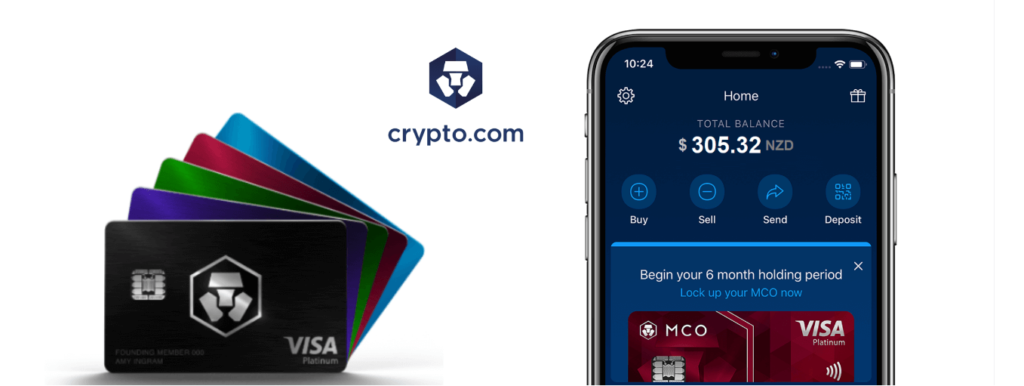

When searching for the best crypto wallets Coinbase users can rely on, security, ease of use, and multi-asset support are key factors to consider. Among various options, Coinbase Wallet stands out as a trusted choice for both beginners and experienced traders. This non-custodial wallet offers users complete control over their private keys while providing seamless access to decentralized applications (DApps) and token swaps.
Best Crypto Wallets Coinbase Review
In this review, we’ll cover how to register on Coinbase Wallet, its security features, supported cryptocurrencies, transaction fees, and whether it provides crypto exchange services. Additionally, we’ll analyze its pros and cons to help you decide if it’s the right wallet for your needs.
How to Register on Coinbase Wallet
Signing up for Coinbase Wallet is straightforward. Here’s a step-by-step guide:
- Download the Coinbase Wallet App
- Available on iOS, Android, and as a browser extension.
- Create a New Wallet
- Upon opening the app, you’ll be prompted to create a new wallet or connect an existing one.
- Secure Your Wallet with a Recovery Phrase
- Coinbase Wallet provides a 12-word recovery phrase that you must write down and store safely. This is crucial because it is the only way to recover your wallet if you lose access.
- Set Up Security Features
- You can enable biometric authentication or set a PIN code for added security.
- Connect to Coinbase Exchange (Optional)
- If you have a Coinbase account, you can link it to your wallet for easy fund transfers.
Once these steps are completed, your Coinbase Wallet is ready for use.
Security: Protecting Your Private Data and Crypto Assets
Security is a top priority for Coinbase Wallet, and it offers multiple layers of protection.
Data Privacy & Security
Coinbase Wallet is a non-custodial wallet, meaning only you have access to your private keys. Unlike traditional exchanges where your funds are stored by a third party, this wallet ensures complete control over your assets.
Crypto Asset Security
- End-to-End Encryption: Your private keys are encrypted and stored locally on your device.
- Multi-Signature Support: You can enable multi-signature authentication for added security.
- Biometric & PIN Authentication: Users can lock their wallets with a PIN or Face ID.
- Recovery Options: The 12-word recovery phrase ensures that you can restore access if you lose your device.
With these security features, Coinbase is one of the best crypto wallets Coinbase users trust.
Supported Cryptocurrencies on Coinbase Wallet
One of the key advantages of Coinbase Wallet is its wide range of supported cryptocurrencies. It allows you to store and manage thousands of digital assets, including:
- Bitcoin (BTC)
- Ethereum (ETH)
- Litecoin (LTC)
- Dogecoin (DOGE)
- Solana (SOL)
- Cardano (ADA)
- Polkadot (DOT)
- Avalanche (AVAX)
- BNB (Binance Coin)
- Many ERC-20 and BEP-20 tokens
With this extensive support, Coinbase Wallet is a great option for users who deal with multiple digital assets.
Transaction Fees on Coinbase Wallet
While Coinbase Wallet itself does not charge any fees for storing or receiving crypto, transactions such as sending, swapping, or trading crypto may incur fees.
Types of Fees:
- Network Fees (Blockchain Gas Fees)
- These vary depending on the network’s congestion.
- Higher demand means higher fees.
- Swap Fees (Exchanging Crypto in the Wallet)
- Coinbase Wallet allows users to swap tokens directly, but fees apply.
- The swap service typically charges a spread fee of around 1%.
- Network Fees (Blockchain Gas Fees)
- Coinbase Exchange Fees (Optional)
- If you transfer funds to Coinbase Exchange, additional trading fees apply.
- Fees range from 0.5% to 4.5% depending on the transaction type.
Considering these costs, remains competitive among the best crypto wallets Coinbase users rely on.
Does Coinbase Wallet Offer a Crypto Exchange?
While Coinbase Wallet itself is a self-custody wallet, it does provide built-in swap functionality. However, it is not a full-fledged exchange like Coinbase.com.
Key Exchange Features in Best Crypto Wallets Coinbase:
- Direct Swaps: Swap tokens without needing a centralized exchange.
- DEX (Decentralized Exchange) Integration: Supports Uniswap and 1inch for token exchanges.
- Fiat-to-Crypto Purchase: Buy crypto using third-party payment processors like MoonPay.
For advanced trading, users can transfer funds to Coinbase Exchange for spot and margin trading.
Storing Mined Bitcoin in a Coinbase Wallet
If you’re involved in mining Bitcoin, storing your mined cryptocurrency securely is crucial. Coinbase offers a reliable and user-friendly wallet for this purpose. Once you’ve mined Bitcoin, you can transfer it to your Coinbase wallet to ensure it is safely stored.
Coinbase wallets provide several advantages, such as:
- Enhanced Security: Coinbase uses industry-leading security practices, including two-factor authentication and cold storage solutions, to protect your assets.
- User-Friendly Interface: The wallet is easy to navigate, making it simple to manage your mined Bitcoin.
- Accessibility: Access your wallet from multiple devices, allowing you to manage your Bitcoin anytime, anywhere.
- Insurance Protection: Coinbase offers insurance on digital assets stored in their wallets, adding an extra layer of protection for your funds.
By using a Coinbase wallet, miners can benefit from a secure and efficient way to store their Bitcoin, ensuring their hard-earned assets are well-protected. Read also How to Mine Bitcoin: A Beginner’s Guide.
Pros and Cons of Coinbase Wallet
Pros Coinbase
- Non-Custodial Security: You control your private keys.
- Supports a Wide Range of Cryptocurrencies (including ERC-20 tokens).
- Built-in Crypto Swaps & DEX Integration.
- User-Friendly Interface for Beginners.
- Available on Mobile & Browser Extension.
- Multi-Layered Security with PIN, Biometrics & Backup Recovery.
Cons Coinbase
- High Swap Fees Compared to Other Wallets.
- Not a Full Crypto Exchange (Requires Coinbase for Advanced Trading).
- Limited Support for Non-Ethereum-Based DApps.
- No Direct Customer Support (Only Self-Help Guides Available).
Despite these drawbacks, remains a strong contender among the best crypto wallets Coinbase enthusiasts use.
Ownership
Brian Armstrong, the founder and CEO of Coinbase, holds 19% of the company’s shares.
Investors
Coinbase has several major investors, including Union Square Ventures, Andreessen Horowitz, and Ribbit Capital. The company has gone through multiple significant funding rounds since its inception.
Stock Market Code
Coinbase Global, Inc. is traded on the Nasdaq stock exchange under the ticker symbol COIN.
Conclusion: Is Coinbase Wallet Right for You?
If you’re looking for a secure, user-friendly, and multi-functional wallet, Coinbase Wallet is an excellent choice. It provides non-custodial security, supports thousands of cryptocurrencies, and integrates with decentralized applications.
However, if you are an active trader who frequently swaps or trades assets, you might want to consider the fees before making Coinbase Wallet your primary option.
Who Should Use Coinbase Wallet?
- Beginners looking for an easy-to-use crypto wallet.
- Long-term investors who prioritize security.
- Users interested in DeFi & DApps.
- Coinbase users who want full control over their funds.
Who Should Consider Alternatives?
✖ Day traders who require a full-featured exchange.
✖ Users who frequently swap tokens and want lower fees.
Overall, Coinbase is one of the best crypto wallets Coinbase users can consider in 2025. If security and convenience are your top priorities, it’s a fantastic option to explore.